

Clear the Path to the Roof
Move vehicles, trash bins, and garden tools from the driveway and side yard. Installers need space for ladders, panel crates, and a staging area close to the roof edge.
Home Solar Installation Guides
Short, practical notes from SunPrep Home for homeowners who want to stay informed without getting in the way.
We share what to ask, what to photograph, what to keep out of the crew's path, and what paperwork to save. Every home is different, so adapt these notes to your situation and leave roof and electrical work to licensed professionals.
Learn MorePreparation
A few hours of preparation reduces confusion on installation day and keeps your yard safe for workers, pets, and neighbors.
Move vehicles, trash bins, and garden tools from the driveway and side yard. Installers need space for ladders, panel crates, and a staging area close to the roof edge.
Keep dogs inside or behind a fence on installation days. Falling hardware and open gates are common when crews move between the truck and the ladder.
Label a folder before the first delivery. Permits, equipment serial sheets, and inspection sign-offs scatter quickly if you wait until the last crate is empty.

Most homeowners meet the lead installer once before roof day. Use that conversation to understand the sequence, not to negotiate equipment specs you are not qualified to compare.
Ask where materials will be stored overnight, how attic access will be handled, and who to call if weather delays the schedule. Write answers in your notes app while details are fresh.
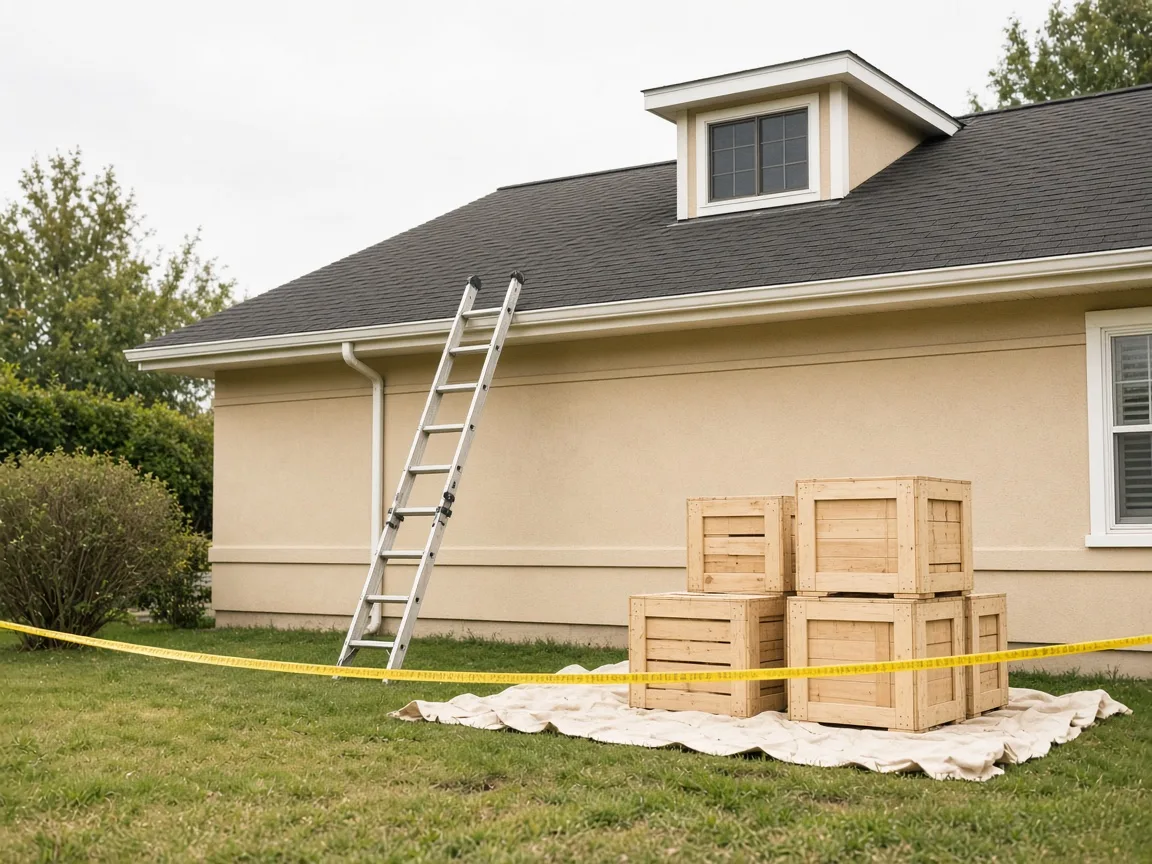
Stay off the roof and out of the ladder fall zone. You can still be useful from the ground by keeping the staging area clear and noting anything that looks different from what you were told.
If conduit routing or panel placement looks wrong, say so before the crew packs up. Corrections cost far less when mounts are still open and wiring is accessible.
Community
Figures describe content available on this site. We publish preparation notes, not installation or financial services.
0
Published articles
0
Core preparation topics
0
Site pages with prep content
0
Hours per day contact is open
Article and page counts reflect the current site structure on Carnallitoid.info.
From the Blog
Focused reads for specific moments in your installation timeline.

Most follow-up calls happen because something was never discussed on the first visit. These five questions cover access, timing, and inspection steps that crews sometimes assume you already know.
Read Article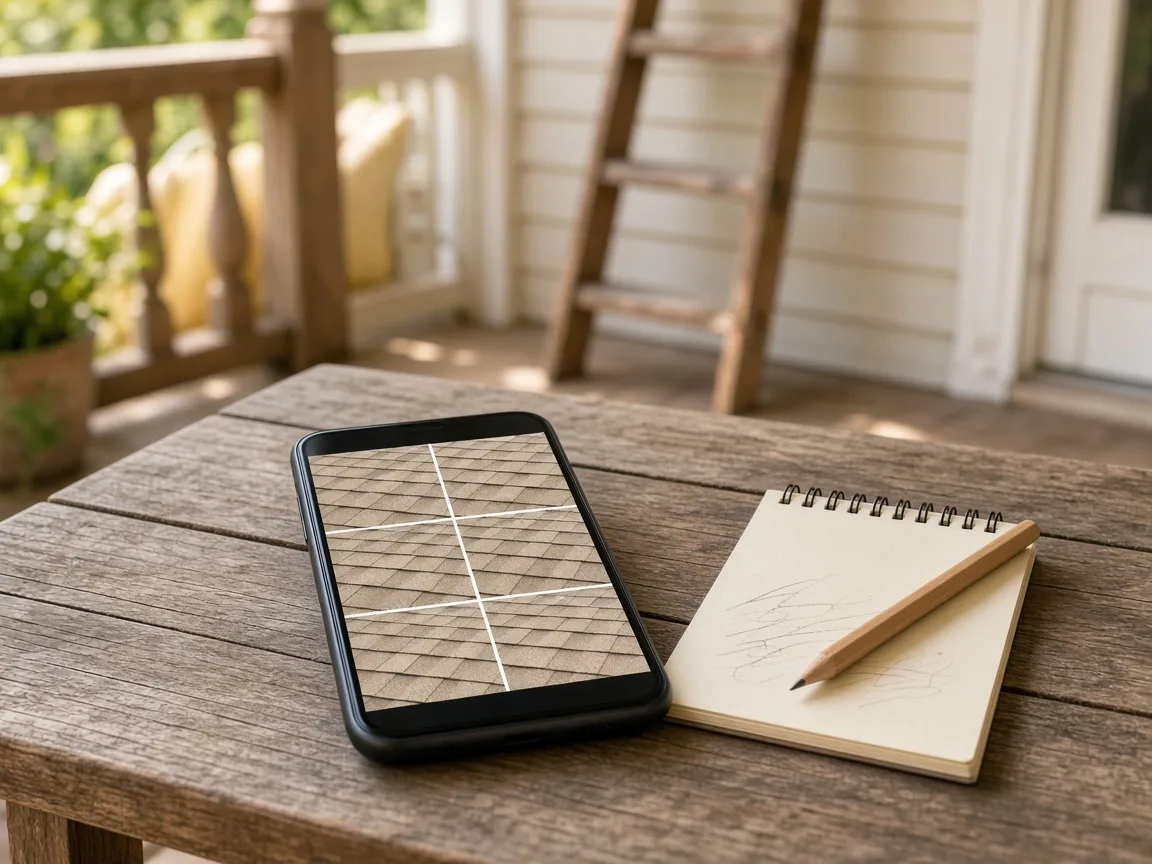
A dated photo log protects you if routing changes, flashing details shift, or warranty questions come up months later. This guide lists the shots worth taking from the ground without climbing onto the roof.
Read ArticleHomeowners who used our checklists during their own installation projects.
Tell us where you are in the process and what feels unclear. We respond with practical notes about preparation steps.
Contact UsWe provide knowledge about what homeowners can do before, during, and after a solar installation. We are not installers and we do not sell equipment. Every note is meant to help you stay informed and ask better questions of the professionals on your property.
Learn MoreThe materials on this site are intended for informational purposes. SunPrep Home shares homeowner preparation notes for solar panel installation and does not perform installations, schedule crews, or sell solar panels, inverters, batteries, or related hardware.
We do not sell or install equipment, compare brands, or provide financial or performance estimates. Local utility rules and building codes change often. Confirm current requirements with your utility and qualified professionals before making decisions.
Grid interconnection, work inside your main electrical panel, and structural assessment of your roof must be handled by licensed professionals. Do not attempt these tasks on your own. Any choices you make about system size, contractor selection, or timing remain your responsibility.
Every home presents different roof geometry, shading, code requirements, and access constraints. Use our tips as a starting point and adapt them to your property with input from qualified specialists.